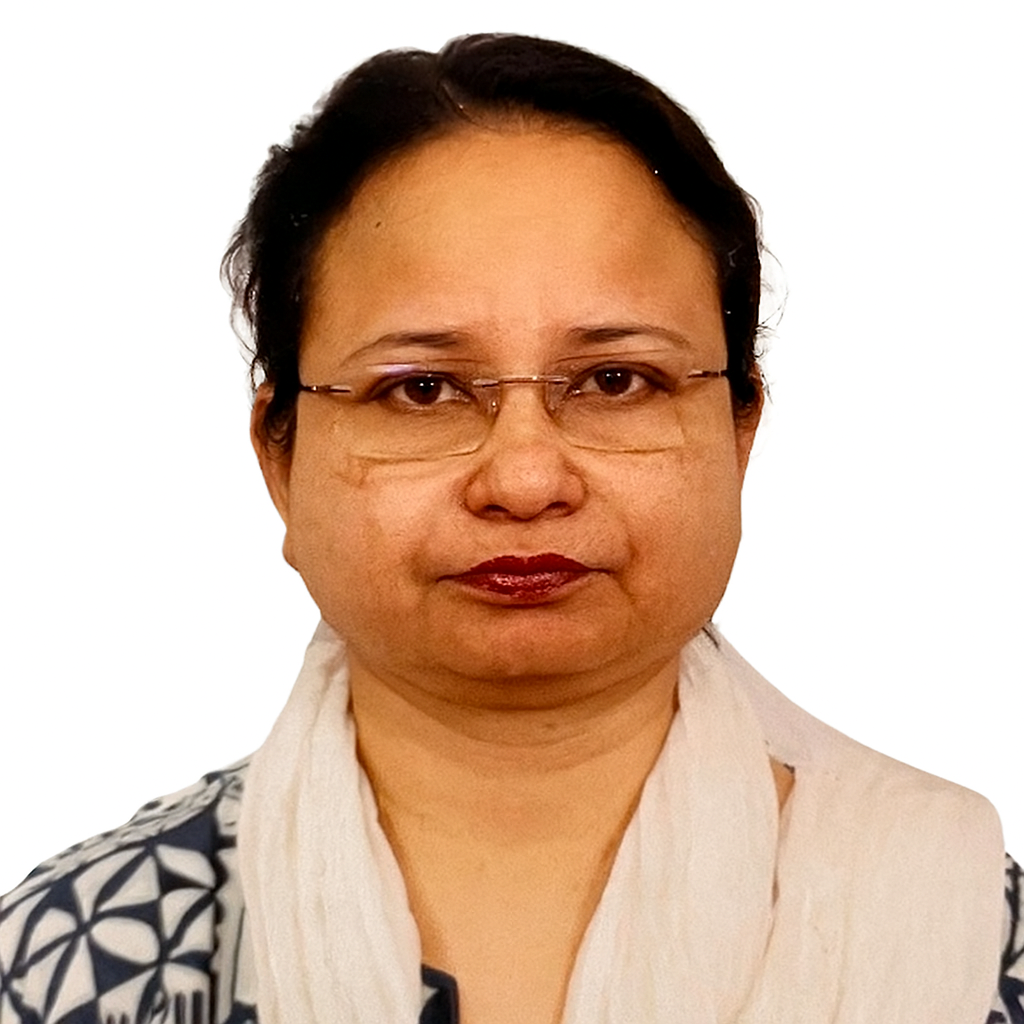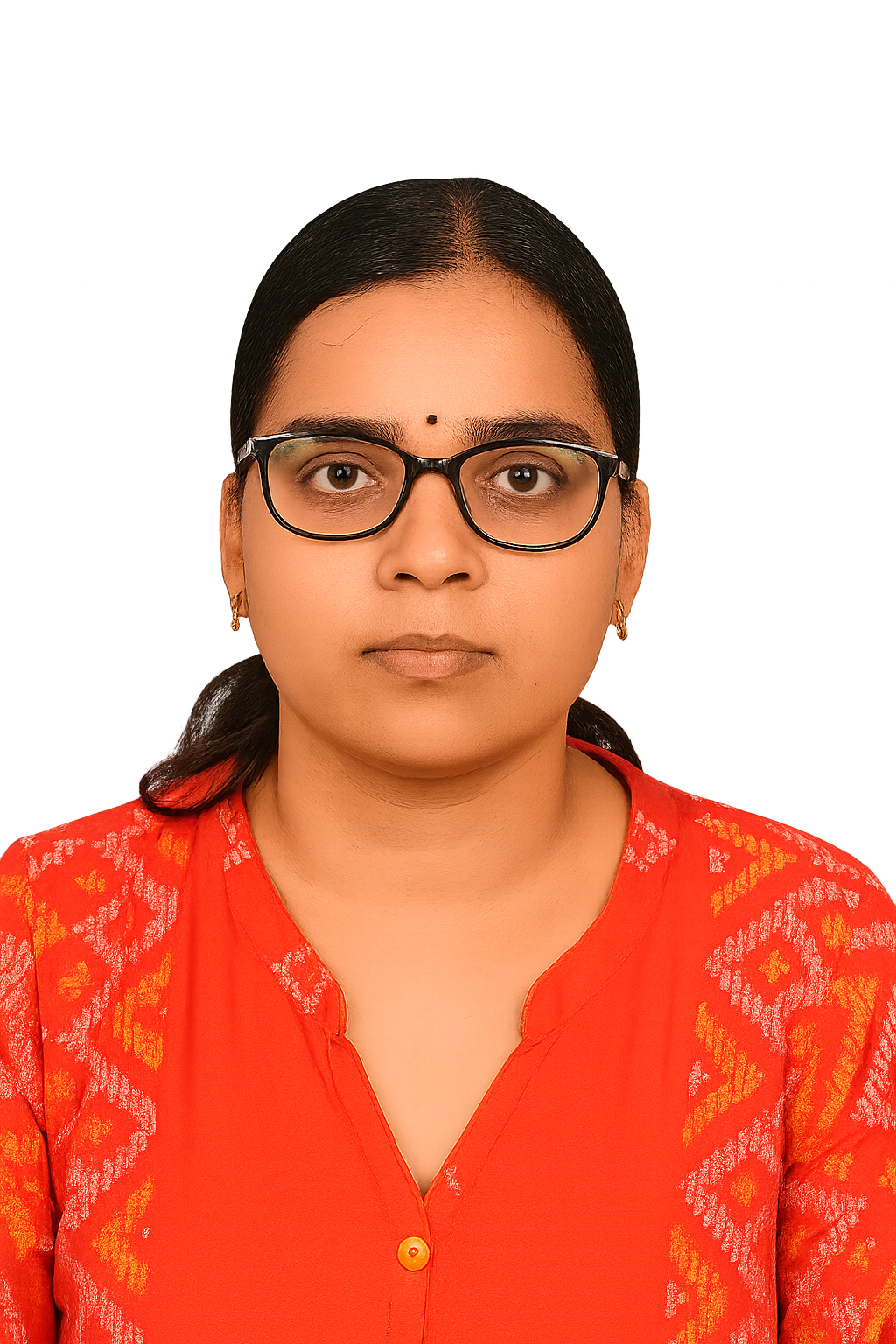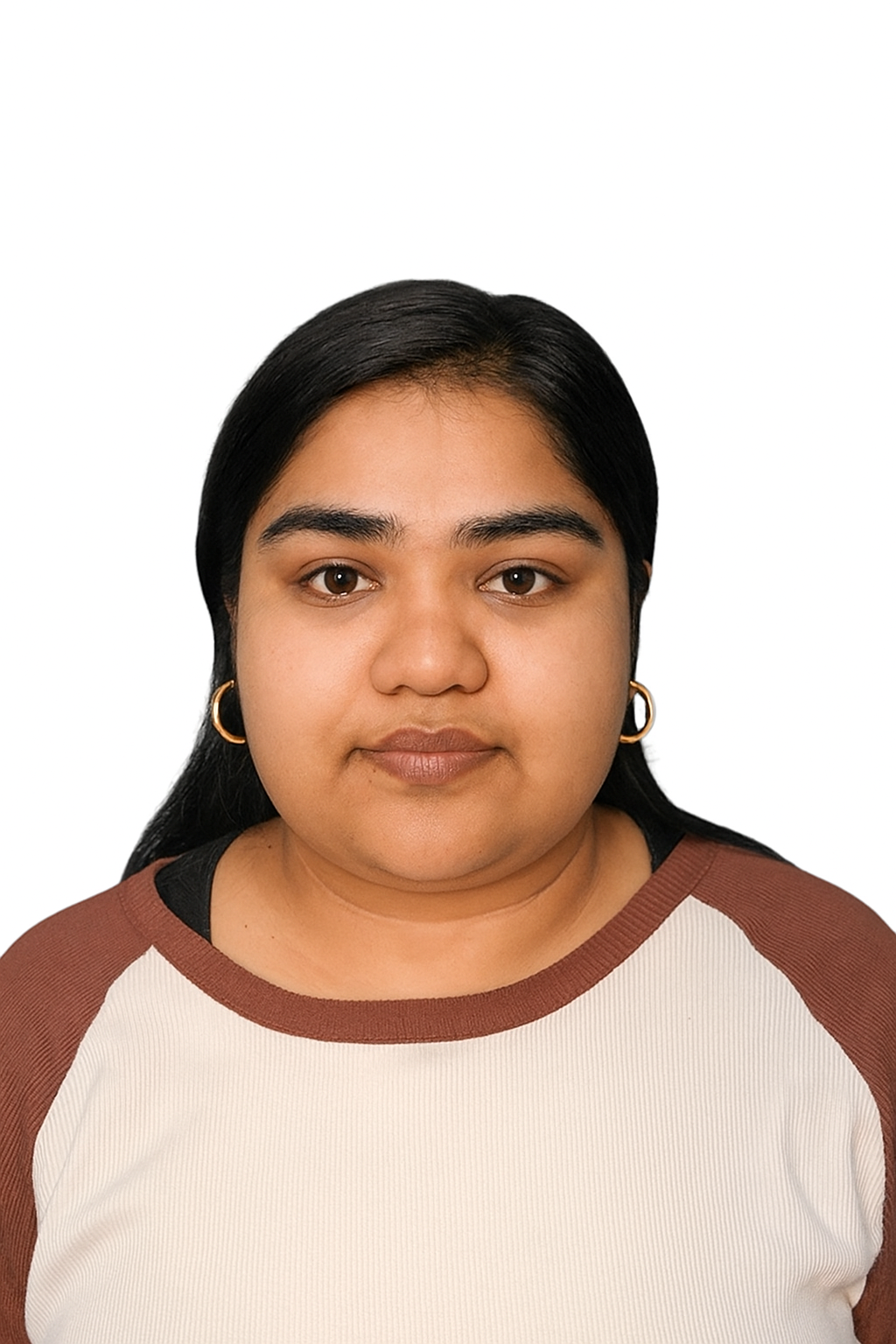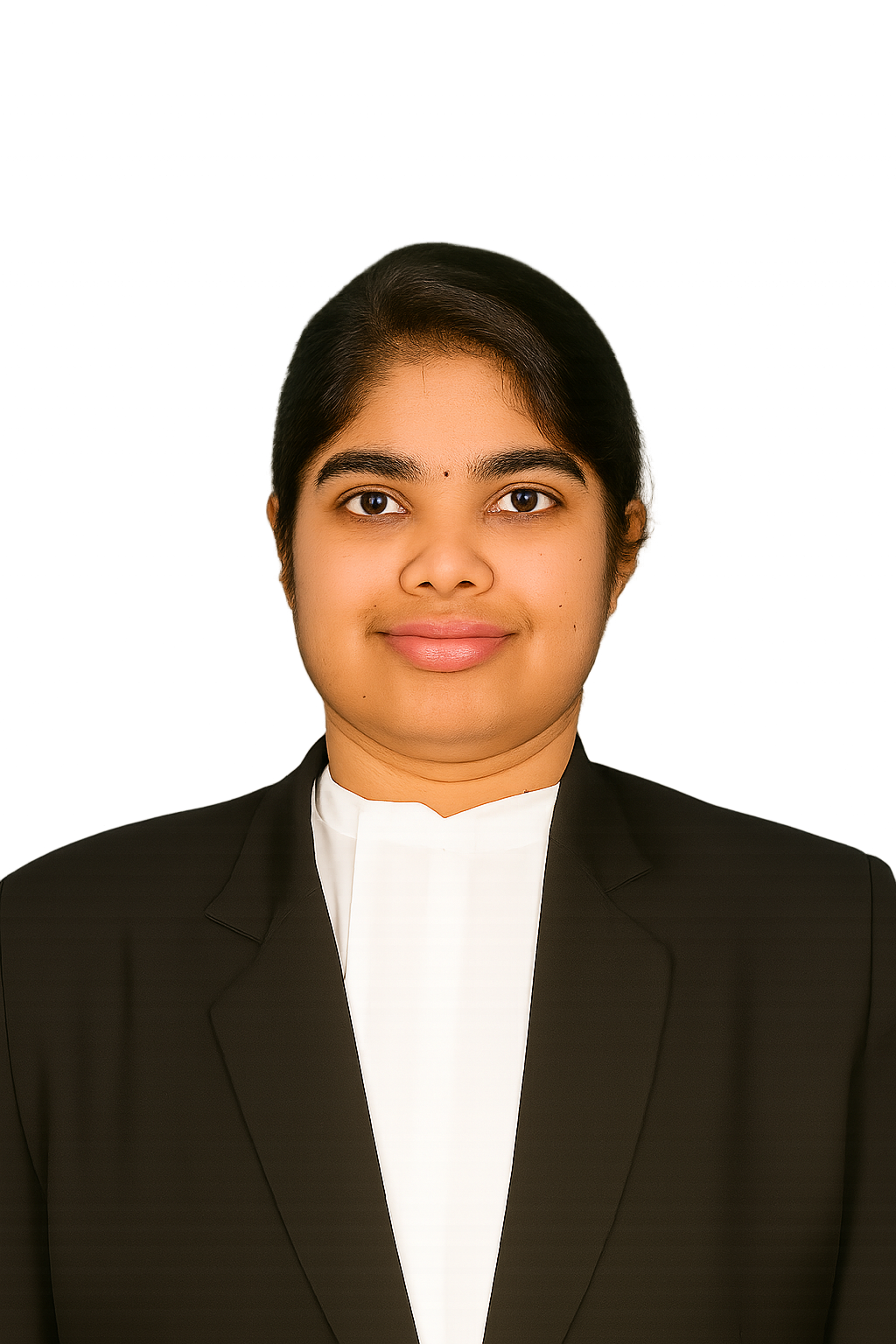
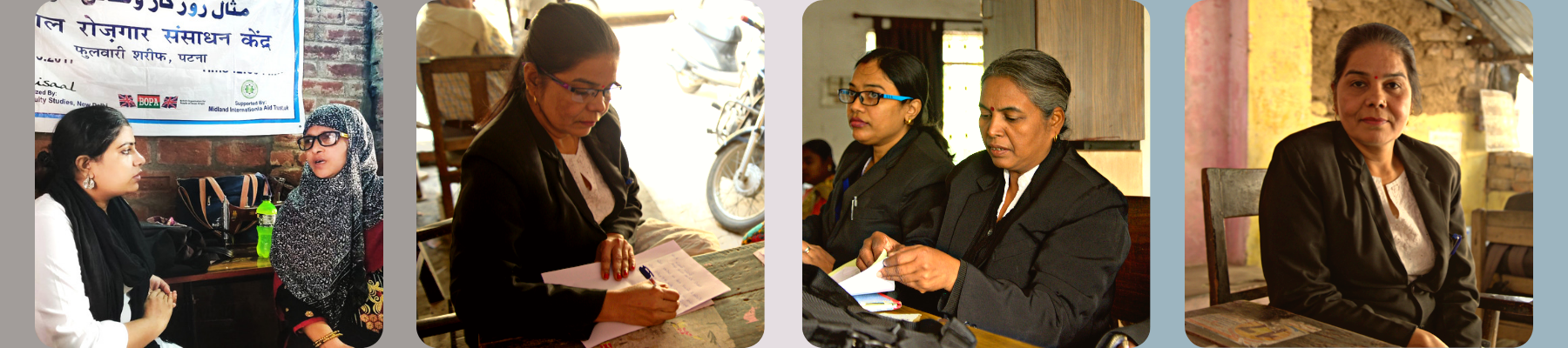
PARVAAZ Legal Fellowship Programme

The SAWF IN Legal Fellowship Programme was launched in 2017 provides financial and technical support to women and trans* person lawyers practising in districts courts of India, to strengthen their journey in feminist advocacy and their legal practice, helping them build their skills in litigation, and help provide pro-bono support to women and trans* person litigants in their cases. 


The women’s and trans* person rights movement has played a pivotal role in advocating for transformation in existing legislation and in the process of access to justice. However, these institutions continue to have an intimidating effect, especially on survivors of violence from marginalised communities. Moreover, the existing legal systems are still patriarchal with a disproportionate number of women and trans* person lawyers and judges practising, especially in district courts.

District courts are the first site of legal redressal and remedy for women and trans* persons. The year-long support of this fellowship is aimed at enabling women and trans* person lawyers to explore opportunities for peer learning, building networks with lawyers from other countries and receiving mentoring support from senior feminist lawyers.  Since 2017, the programme has supported 12 women lawyers from 7 states. They have provided pro- bono litigation support for more than 230 women and Trans* people. Additionally, the legal fellows have also offered legal counselling and advice to over 1000 women from socially and economically marginalised communities such as Dalits, Adivasis, and Muslim women among others.  

The fellowship aims to support women and trans* person lawyers practising at district courts to:  

  1. Provide free legal aid and support to women and trans* person litigants  
  2. Build their own skills in feminist lawyering in primary courts, particularly in building constitutional arguments.  
  3. Advocate for more gender-responsive lawyering at district courts  
  4. Lead and participate in actions that directly contribute to realising the rights of women and trans* people.

Please visit our website for announcements or write to fellowship.sawfin@gmail.com for more details


Our Current Areas of Operations -

Chennai, Tamil Nadu | Tezu and Roing, Arunachal Pradesh | Wokha, Nagaland |
 

Current Fellows

Rajni Mashaal

Kurukshetra, Haryana

Registered 2021 | District Court, Kurukshetra

Labour rights | Bonded labour | Gender-based violence | Victim compensation

Rajni began practicing in 2022 before the District Court in Kurukshetra. As one of the few Dalit women advocates in her district, her work is shaped by both professional and social barriers within the legal system. She works on bonded labour, labour rights, victim compensation, and gender-based violence cases. Alongside litigation, she engages in community-level legal awareness efforts to strengthen women’s access to rights and welfare protections

Read More

Rajni Mashaal

Practice Overview Rajni’s work focuses on bonded labour, labour rights enforcement, victim compensation for survivors of sexual violence, and implementation of welfare schemes related to women’s health and safety. She works with labour departments, district authorities, and police officials to secure unpaid wages, facilitate release from exploitative conditions, and assist women in accessing statutory compensation and support services.

Feminist Approach Rajni’s practice centers gender equity and social justice. As a Dalit woman advocate in a district where women’s representation at the Bar remains limited, she is attentive to structural barriers within both legal institutions and society. She views access to justice as extending beyond courtroom representation to enabling women to recognize and assert their rights. Her approach prioritizes dignity, legal awareness, and sustained engagement with communities.

Institutional Development Rajni engages with district-level institutions to improve implementation of existing labour and welfare protections. Her work includes coordination with administrative authorities to ensure timely processing of claims and strengthening support systems such as One Stop Centers. She also organizes legal awareness camps and outreach initiatives aimed at improving understanding of labour and gender protections at the community level.

Professional and Personal Journey Rajni’s journey as a lawyer has been shaped by practicing in a context where women, particularly Dalit women, remain underrepresented within the profession. This experience has reinforced her commitment to equal participation at the Bar and expanded access to justice in rural and semi-urban communities. Beyond litigation, she mentors interns, builds professional networks, and encourages young women to pursue legal education. She also writes poetry as a form of reflection. Her long-term vision includes strengthening village-level legal awareness and promoting equal representation of women and transgender persons within legal and governance spaces.

Ashwini Uttam Wooike

Gadchiroli, Maharashtra

Registered 2017 | District and Subordinate Courts, Gadchiroli

Women’s land and forest rights | Sexual harassment redress | Welfare entitlements

Ashwini has been practicing in Gadchiroli since 2017, working with tribal and marginalized communities. Her work focuses on women’s land and forest rights, sexual harassment redress, and access to welfare entitlements. She engages with Gram Sabhas, administrative authorities, and police systems to address barriers that limit women’s participation and protection. Her practice combines litigation with grassroots engagement, with an emphasis on dignity, accountability, and access to decision-making spaces

Read More

Ashwini Uttam Wooike

Practice Overview Ashwini has been registered since 2017 and practices before the District and Subordinate Courts in Gadchiroli. Her work focuses on women’s land and forest rights, access to welfare entitlements, and sexual harassment redress for tribal and marginalized women. She supports clients in filing complaints, challenging adverse administrative decisions, and navigating protection and welfare processes. Her practice involves regular engagement with Gram Sabhas, revenue and forest authorities, and police systems, particularly where procedural gaps or institutional hesitation affect timely relief.

Feminist Approach Ashwini’s practice centers dignity, gender equity, and the lived realities of tribal and marginalized women. She views the law as a means of addressing structural barriers that limit women’s access to land, safety, and participation in decision-making spaces. In cases of sexual harassment, she has addressed police inaction and administrative reluctance often justified as “custom” or community pressure. She prioritizes access to formal complaint and protection mechanisms while remaining attentive to the social risks women may face in seeking accountability.

Institutional Development Ashwini works to strengthen procedural transparency and accountability within local administrative systems. Her engagement includes follow-up, documentation, and coordination with relevant departments to ensure that cases do not stall due to bureaucratic delay. Through sustained interaction with state authorities and community forums, she contributes to improving institutional responsiveness in rural and tribal contexts.

Professional and Personal Journey: Ashwini’s legal practice has been shaped by long-term engagement with tribal and marginalized communities in Gadchiroli. Working closely with women at the grassroots has grounded her approach in lived realities and collective processes rather than solely adversarial outcomes. Over time, this experience has reinforced her commitment to combining individual legal remedies with community-based engagement. She seeks to continue expanding access to justice in ways that strengthen participation, autonomy, and dignity.

Prena Thakuri

West Bengal

Registered 2018 | District Court and Sessions court, Darjeeling

Family disputes | Domestic violence | Child-related matters

Prena works on family and domestic violence matters, supporting clients through legal advice, trial proceedings, and negotiated settlements. Her practice emphasizes clear communication, procedural diligence, and support for individuals in vulnerable situations

Read More

Prena Thakuri

Practice Overview: Prena Thakuri has been practicing as an advocate since 2018 before the District and Sessions Court in Darjeeling. Her practice primarily involves advising clients on their legal rights and identifying appropriate courses of action based on individual circumstances. She regularly represents clients in family and matrimonial matters, including maintenance proceedings, matrimonial suits, and cases under the Domestic Violence Act. Her work also includes cheque dishonour cases under Section 138 of the Negotiable Instruments Act, involving drafting legal notices, filing complaints, conducting trial proceedings, and negotiating settlements. In addition, Prena has appeared before the Juvenile Justice Board in matters involving children in conflict with the law, where she has conducted trial proceedings, ensured statutory procedures are followed, and worked to safeguard the best interests of the child.

Feminist Approach: Prena’s feminist legal practice is grounded in promoting equality and supporting individuals who are in vulnerable positions. She prioritizes explaining legal rights clearly to her clients and advocating firmly against injustice. Beyond client representation, she also actively supports junior women advocates by guiding them through court procedures and encouraging them to continue their practice when they face discouragement or barriers within court spaces.

Institutional Development: When clients approach her due to delays, inaction, or lack of protection from institutions, Prena actively advocates for transparency and timely response from authorities. Her work focuses on addressing procedural delays and ensuring that institutions fulfil their responsibilities so that clients receive appropriate relief and protection.

Professional and Personal Journey: Prena views her legal practice as a continuous learning process. While navigating the challenges and hurdles of litigation practice, she has developed resilience and a strong commitment to her work. Each obstacle has contributed to her professional growth and reinforced her determination to work harder toward achieving justice for her clients.

Manashree Nayak

Cuttack, Odisha

Registered in 2024 | High Court of Orissa

Family matters | Domestic violence | Sexual violence

Manashree works with women and children navigating domestic violence, sexual violence, and family-related cases. Her practice emphasizes procedural clarity, mediation where possible, and sustained engagement with survivors facing institutional and social barriers

Read More

Manashree Nayak

Practice Overview: Manashree Nayak enrolled as an advocate in 2024 and practices before the Orissa High Court and district courts in Cuttack. Her work focuses on family matters, domestic violence cases, sexual violence, POCSO, and property-related disputes. 

Feminist Approach: Manashree’s feminist legal practice is shaped by her work with women survivors of violence and her lived understanding of gendered harm. She approaches cases by listening closely to women’s experiences and placing herself within the context of their struggles, particularly in situations involving domestic abuse and sexual violence. Her practice prioritizes survivor dignity, safety, and access to justice, while navigating both legal procedures and the emotional realities faced by women and children.

Institutional Development: Manashree has engaged with institutional processes to ensure that women’s complaints are taken seriously, including pursuing the registration of FIRs despite resistance and political or procedural challenges.  Through her legal work and advocacy, she seeks to challenge practices that further burden survivors within the justice system.

Professional and Personal Journey: Manashree began her professional journey as a junior advocate in March 2024. Early in her practice, she has taken up domestic violence cases, sexual harassment matters, property rights issues, and POCSO cases. She has faced challenges including non-cooperation from victims or their families and difficulties in engaging police authorities, particularly in cases involving vulnerable communities such as SC and ST groups. These experiences have strengthened her resolve to build a practice that enables women to come forward, access legal remedies, and seek justice without fear. She remains committed to growing her professional capacity and strengthening linkages with organizations working with survivors.

Annapurna Patra

Nabarangpur, Odisha

Registered in 2018 | Nabarangpur District Court

Criminal law | Violence against women | Land disputes

Annapurna supports women and families navigating criminal cases and land disputes, with a focus on careful listening, clear legal guidance, and steady courtroom advocacy in cases involving violence and social vulnerability

Read More

Annapurna Patra

Practice Overview: Annapurna Patra is enrolled as an advocate since 2018 but has been practicing before the District and Sessions Court in Nabarangpur for the past 1 year. Her work primarily involves criminal and civil litigation, including cases related to violence against women, POCSO, land disputes, dacoity, murder, and liquor-related offences. She assists clients through trial proceedings, legal advice, and follow-up within court processes, with particular attention to matters affecting women facing physical, mental, or economic harm.

Feminist Approach: Annapurna’s legal practice is guided by a commitment to gender equality and the protection of women’s rights. In her day-to-day work, she prioritises listening carefully to women’s experiences and ensuring they understand their legal options. Whether handling criminal cases or land disputes, she approaches her work with sensitivity to the layered vulnerabilities women face, and advocates firmly for their rights within formal legal processes.

Institutional Engagement: While Annapurna has not yet undertaken formal work aimed at holding state institutions accountable, her practice involves engaging with courts and legal procedures to seek justice for women affected by violence and discrimination. Her focus remains on strengthening individual access to legal remedies through consistent representation and follow-up.

Professional and Personal Journey: Annapurna’s decision to pursue litigation was shaped by her experience working at a One Stop Centre, where she witnessed firsthand the difficulties women face in accessing timely and effective legal support. Seeing women struggle with harassment and systemic barriers motivated her to enter legal practice with the aim of supporting women and girls navigating distressing situations. Her journey reflects a growing commitment to advocacy rooted in empathy, persistence, and courtroom practice.

Adrija Bairagi

Kolkata, West Bengal

Registered in 2023 | Chief Judicial Magistrate and Sessions Court at Calcutta, Howrah and High Court Calcutta

Family law | Domestic violence | POCSO

Adrija works on matters involving women and children, supporting clients through police procedures, applications, and follow-ups. Her practice prioritises calm, patient, and empathetic engagement

Read More

Adrija Bairagi

Practice Overview: Adrija Bairagi practices before district courts in West Bengal, while also appearing before the Calcutta High Court. Her practice focuses on child protection, domestic violence, POCSO cases, matrimonial disputes, and maintenance proceedings. Alongside courtroom work, she remains closely engaged with community-based efforts to prevent child marriage and ensure child safety. Her work frequently involves assisting survivors in initiating criminal complaints, navigating police procedures, and sustaining matters through the early stages of legal action.

Feminist Approach: Adrija understands feminism as a commitment to equality in rights and outcomes, particularly for women and children facing structural disadvantage. Her feminist practice is reflected in both preventive and remedial work intervening to stop child marriages where possible and pursuing legal remedies where harm has already occurred. She approaches lawyering as both a legal and social responsibility, grounding her practice in attentive listening, sustained engagement, and a focus on the lived realities of women and children navigating the justice system.

Institutional Development: Her work highlights gaps in early institutional response, particularly in police handling of child-related and domestic violence matters. She uses available procedural remedies to prompt appropriate action where complaints are delayed/ignored. Through her experience, she has developed a practical understanding of evidentiary and procedural barriers that often prevent timely intervention, shaping her emphasis on accessible, district-level legal responses.

Professional and Personal Journey: Adrija decided to pursue criminal law at a young age, despite having no family background in the profession. She began community work on child safety in 2019 through an NGO and trained for three years under a senior practitioner. After graduating in 2023, she began working under a State Advocate at the Calcutta High Court while taking up independent matters in lower courts. An introverted listener by nature, she values preparation, observation, and consistency as central to her legal practice.

Mangla Verma

New Delhi

Registered 2011 | District courts, High Court – Delhi

Family law | Domestic violence | Caste and gender-based violence

Mangla works on family disputes, domestic violence, and neighbourhood-level conflicts, supporting women and marginalised communities through legal procedures and welfare-linked processes. She is also a co-founder of Part III: Action Research & Resource Centre, a collective working to translate constitutional guarantees into everyday access to justice through legal support, research, and community engagement

Read More

Mangla Verma

Practice Overview: Mangla has been registered since 2011 and practices before the District Courts and High Court of Delhi. Her work includes family disputes, domestic violence matters, neighborhood-level conflicts, and documentation support for accessing welfare and protection mechanisms. She assists clients with filing complaints, navigating administrative procedures, and coordinating with relevant authorities, particularly in situations where unfamiliar processes and institutional delay can impede access to timely relief. Alongside her litigation practice, Mangla is a co-founder of Part III: Action Research & Resource Centre, an organization that works on addressing gender-based violence and violence against marginalized communities through legal support, research, and community-based initiatives across Delhi, Bihar, and Uttar Pradesh

Feminist Approach: Mangla frames her work around empathetic listening and respectful engagement. She supports women who face social and emotional barriers in approaching institutions, guiding them with clarity and patience. She prioritizes accessible explanations and acknowledges the structural challenges women navigate within their families and communities.

Institutional Development: Mangla’s institutional engagement includes assisting clients in filing complaints, securing documentation, coordinating with police authorities, and navigating welfare departments. She places emphasis on consistent follow-up and procedural clarity to ensure that cases do not stall within administrative systems. Through her work with Part III, she also contributes to broader community engagement and research efforts aimed at strengthening institutional responsiveness and translating constitutional protections into lived realities for marginalized groups.

Professional and Personal Journey: Mangla’s practice has been shaped by sustained engagement with women in distress and by her commitment to patient communication and steady guidance. Over time, this work has reinforced the importance of combining individual legal support with collective, community-oriented approaches. Her long-term aspirations include strengthening community awareness, improving access to institutional support, and expanding her capacity to guide women through legal and administrative systems in ways that build confidence, dignity, and trust.

Nandini Verma

Lucknow, Uttar Pradesh

Registered 2021 | District court, Lucknow and High Court, Allahabad

Family law | Domestic Violence | Criminal law

Nandini works with women and marginalized communities on family, criminal, and welfare-related matters. Her practice combines litigation, legal literacy, and community engagement to strengthen access to justice and ensure rights are realized in practice

Read More

Nandini Verma

Practice Overview: Nandini Verma has been practicing law in Lucknow since 2021. Her practice spans family disputes, domestic violence cases, and criminal matters, alongside sustained engagement with welfare-related issues affecting women and marginalized groups. She also undertakes pro bono work for women from economically and socially marginalized backgrounds. Her work combines courtroom advocacy with documentation support, coordination with authorities, and legal guidance to help clients navigate complex legal systems.

Feminist Approach: Nandini’s feminist legal practice is rooted in centering women’s dignity, voice, and agency within legal processes. She creates safe, non-judgmental spaces for women who face intimidation, stigma, or lack of resources, ensuring they are heard and respected while their lived experiences are translated into strong legal strategies. Challenging patriarchal norms is an everyday part of her work—whether in family disputes, workplace harassment cases, or instances of unequal application of criminal law. Alongside litigation, she conducts legal awareness programmes and literacy camps across Lucknow and nearby districts, recognizing education and prevention as essential to meaningful empowerment.

Institutional Development: Nandini engages with public systems to ensure rights are delivered in practice. She regularly intervenes where authorities fail to act on complaints of domestic violence, workplace harassment, or denial of services, pressing for effective grievance response. Her work also includes advocacy around housing and safety, including enforcement of residence protections under the Domestic Violence Act and interventions on workplace safety in informal sectors. Early in her practice, she assisted an acid attack survivor who had been denied compensation due to procedural delay, securing compensation as well as treatment and travel support at Safdarjung Hospital, Delhi. She has also worked on reproductive health concerns, eviction-related matters, and school infrastructure issues.

Professional and Personal Journey: Nandini’s practice is shaped by her commitment to building a justice system that is accessible, empathetic, and responsive to women’s lived realities. She envisions long-term change where rights are not dependent on privilege or connections, grievance systems function effectively, and women approach the law as rightful claimants rather than outsiders. She also seeks to mentor younger women lawyers and strengthen grassroots legal awareness, contributing to a legal culture grounded in gender equity, dignity, and trust.

Sagarika Sahoo

Cuttack, Odisha

Registered 2014 | District and Hight Court

Civil litigation | Labour and service matters | Family and consumer law

Sagarika practices primarily on the civil side, labour and service matters, consumer disputes, environmental issues, and women’s concerns within matrimonial law. Her work includes legal aid engagement, representation before institutional bodies, and a strong commitment to inclusive, prejudice-free professional practice

Read More

Sagarika Sahoo

Practice Overview: Sagarika Sahoo practices primarily on the civil side and has been registered since 2014. Her work includes family matters, labour and service law, consumer disputes, environmental issues, and litigation involving constitutional and statutory protections. She has extensive experience in labour-related matters, including cases of illegal retrenchment and the protection of workmen’s rights. At present, her work focuses on securing fair and adequate compensation, addressing unlawful employment practices, and supporting women navigating matrimonial law concerns.

Feminist Approach: Sagarika maintains a professional practice environment that prioritizes safety, dignity, and inclusion for colleagues of all genders. She also approaches legal practice with sensitivity to gender and social position, with a stated interest in expanding work relating to gender-based legal issues. She frames legal processes in accessible terms and supports women who navigate significant emotional and structural barriers while seeking institutional help. Her approach reflects a steady commitment to dignity, fairness, and respectful engagement.

Institutional Development: Sagarika actively participates in legal aid programmes and serves as a panel lawyer with the Orissa High Court Legal Aid Committee. Her institutional work includes engaging with statutory and administrative mechanisms to secure labour protections, challenge illegal retrenchment, and pursue compensation for affected workers. She also provides procedural guidance and follow-up support to clients navigating administrative systems, aiming to bridge gaps that can otherwise delay or obstruct access to relief, especially for women experiencing domestic or economic instability.

Professional and Personal Journey: A significant portion of Sagarika’s career has been dedicated to advocating for labour protections and supporting workmen facing unlawful employment practices. Over time, she has developed a practice style that reduces fear, encourages informed decision-making, and prioritizes steady client support. She aspires to expand her work in areas such as disability law and legal issues affecting marginalized communities, including gender justice, building on her existing engagement with labour, legal aid, and civil litigation

Jhansi Geddam

Hyderrabad, Telangana

Registered 1999 | High Court of Telangana

Domestic violence | POCSO | Caste- and gender-based discrimination

Jhansi works on cases involving violence and discrimination against Dalit and Adivasi women and children, with a focus on mental health, caste-based exclusion, and procedural accountability. Her practice combines survivor-centered legal support with sustained institutional engagement to address systemic gaps and strengthen access to justice for marginalized communities

Read More

Jhansi Geddam

Practice Overview: Jhansi Geddam has been practicing since 1999 and appears before the High Court of Telangana. Her work focuses on cases involving discrimination and violence against Dalit and Adivasi women and girl children, including domestic violence and matters under the POCSO Act. Her practice engages deeply with issues of caste-based exclusion, mental health, and access to justice. She regularly represents survivors navigating legal processes shaped by social pressure, institutional resistance, and systemic delay.

Feminist Approach: Jhansi’s legal practice centers on building resilience and confidence among women and children who have experienced violence or discrimination. She works to ensure that survivors are able to pursue justice without coercion, whether arising from family, community, or institutional pressures. Her approach reflects a commitment to strengthening the use and implementation of special laws intended to protect women and children, while remaining attentive to the ways in which caste, gender, and social marginalisation intersect within legal processes. She is also mindful of ensuring that caste minorities and gender minorities are not rendered invisible within formal systems of protection.

Institutional Development: A significant part of Jhansi’s work focuses on addressing institutional gaps, including delays in complaint registration, investigative lapses, and weaknesses in prosecution. She undertakes sustained follow-up with police officials, public prosecutors, Directors of Prosecution, and relevant government departments to support timely action, compensation, and rehabilitation. She also conducts legal clinics that bring together officials, prosecutors, survivors, and witnesses to review case progress, identify procedural bottlenecks, and strengthen coordination across the justice delivery system—ensuring that legal protections translate into meaningful outcomes.

Professional and Personal Journey: Jhansi’s long-standing engagement with survivors of caste- and gender-based violence has shaped a practice grounded in persistence, accountability, and survivor support. Over time, her work has reinforced the importance of sustained institutional engagement in securing justice for marginalized communities. Her long-term goal is to contribute to a legal system in which Dalit and Adivasi women and children can rely on effective protection, timely enforcement, and the rule of law as a lived reality rather than a distant promise.

Dyutimala Bagchi

Kolkata, West Bengal

Registered 2001 | District and Sessions Court at Alipore, South 24 Parganas

Family Law | Domestic Violence | POCSO

Dyutimala works on matrimonial disputes, domestic violence, and child protection cases, with a focus on mediation, survivor-centred remedies, and institutional capacity-building. Her practice combines litigation, dispute resolution, and sustained engagement with legal and child protection systems

Read More

Dyutimala Bagchi

Practice Overview: Dyutimala Bagchi practices before the District and Sessions Court at Alipore, South 24 Parganas, and has been registered since 2001. Her work focuses on matrimonial disputes, domestic violence matters concerning women’s rights within the shared household, and cases involving children under the POCSO Act. She regularly assists survivors of domestic violence, trafficking, and child abuse in accessing legal and administrative remedies. Alongside litigation, she engages with mediation and pre-litigation dispute resolution processes, supporting alternatives to prolonged and adversarial proceedings where appropriate and safe.

Feminist Approach: Dyutimala’s legal practice is grounded in the belief that access to justice depends not only on formal remedies but also on awareness, dignity, and informed choice. She places emphasis on helping women and children understand their rights, available legal options, and the implications of different courses of action. Her work reflects a commitment to client-centered support and confidence-building, particularly for individuals from economically disadvantaged backgrounds who may be engaging with courts or authorities for the first time. She also promotes mediation and dialogue as meaningful avenues for resolution, alongside formal legal processes.

Institutional Development: Dyutimala has been actively involved in institutional training and awareness programmes relating to the POCSO Act, Juvenile Justice Act, and the POSH Act. She has conducted police training programmes on the Juvenile Justice Act in collaboration with NGOs and District Police Authorities and has facilitated training sessions for Juvenile Justice Board members and POCSO support persons across multiple districts of West Bengal. These engagements, organized in collaboration with the Department of Child Rights and Trafficking, West Bengal, reflect her role in strengthening institutional responses to cases involving women and children through knowledge-sharing and skill-building.

Professional and Personal Journey: Alongside her litigation and training work, Dyutimala has mentored and trained young lawyers and law students across West Bengal. Her professional journey reflects a sustained effort to combine courtroom practice with education, training, and institutional capacity-building. She views awareness-building, mediation, and skill-sharing as essential to improving institutional responsiveness and strengthening access to justice for women and children over time.

Arthimalla Priyanka

Vijayawada, Andhra Pradesh

Registered 2022 | Vijayawada District Court, Andhra Pradesh High Court

Family Law | Welfare documentation | Court procedures

Priyanka supports clients navigating family issues and welfare-linked paperwork. Her practice is grounded in patient listening and steady procedural follow-up

Read More

Arthimalla Priyanka

Practice Overview: Priyanka works with women and families navigating domestic disputes, safety concerns, and welfare-related procedures. Her practice focuses on patient listening, clear explanation, and sustained follow-up across courts and administrative offices.

Feminist Approach: Priyanka’s legal practice is shaped by her commitment to ensuring that women and children feel heard, supported, and informed when engaging with legal institutions. Her practice reflects values of dignity, attentiveness, and informed choice. In her day-to-day work, this translates into careful listening, respectful engagement, and clear explanation of legal and procedural options, enabling clients to participate meaningfully in decisions that affect their safety and well-being.

Institutional Development: Priyanka supports clients in accessing welfare schemes, submitting documentation, and following up with police stations and administrative bodies in matters related to domestic disputes and safety concerns. Her work involves procedural coordination and follow-up in contexts that require timely institutional response. Through this engagement, she helps address procedural gaps that can otherwise delay or obstruct access to protections and support.

Professional and Personal Journey: As a first-generation lawyer, Priyanka’s professional journey has been shaped by both aspiration and challenge. Entering a profession often marked by entrenched hierarchies, her experiences have reinforced the importance of perseverance, steady practice, and institutional familiarity. While her long-term goals are not explicitly stated, her work reflects a commitment to building a sustainable litigation practice grounded in consistency, resilience, and client-focused support.

Erusha Portel

Siliguri, West Bengal

Registered 2024 | Debt Recovery Tribunal, Siliguri and Siliguri Sub Divisional court, Darjeeling/Kalimpong

Debt Recovery | Domestic Violence | Family Law

Erusha works with women and families facing debt recovery actions, domestic violence, and housing insecurity. Her practice focuses on procedural clarity, empathetic engagement, and sustained support for clients navigating courts and administrative systems under acute financial and social pressure

Read More

Erusha Portel

Practice Overview: Erusha Portel is registered in 2024 and practices before the Debt Recovery Tribunal, Siliguri, and the Siliguri Sub-Divisional Court. Her work focuses on family disputes, domestic violence matters, and debt recovery proceedings. A significant part of her practice involves supporting widows facing recovery actions following the death of their spouses, where banks initiate proceedings that threaten homes and savings, often leaving women suddenly exposed to financial and housing insecurity. She assists clients with filing complaints, preparing documentation, and understanding procedural requirements before courts and local authorities. Her work also includes supporting domestic violence proceedings where legal intervention intersects with questions of safety, residence, and autonomy.

Feminist Approach: Erusha’s legal practice is shaped by a commitment to standing with those who experience the law from positions of vulnerability. Across both debt recovery and domestic violence matters, she approaches her work with empathy and attentiveness, recognizing how legal processes can compound fear, stigma, and loss when exercised without sensitivity. Her focus is on ensuring that women are able to understand proceedings that directly affect their homes, safety, and future choices, and that they are supported in asserting their rights within systems that often prioritize institutional efficiency over individual dignity.

Institutional Development: Erusha’s work involves sustained engagement with courts and administrative processes to ensure that recovery proceedings and protective mechanisms account for their human impact. In debt recovery matters, she supports women in responding to aggressive recovery actions that threaten housing stability. In domestic violence cases, she assists clients in navigating procedural safeguards related to protection, residence, and continued access to education.

Professional and Personal Journey: Originally from Kalimpong, Erusha moved to Siliguri to gain broader exposure to litigation and institutional practice. Working before the Debt Recovery Tribunal and the Sub-Divisional Court has shaped her understanding of how legal processes directly shape people’s access to housing, safety, and dignity. In the long term, she hopes to build a practice that feels less intimidating and more humane—where protecting a roof over someone’s head or supporting a woman’s right to education is treated as an integral part of everyday justice rather than an exception.

Abhigna Mandava

Hyderabad, Telangana

Registered 2022 | District Courts of NTR and Krishna and High Court of Andhra Pradesh

Criminal law | Family law | Employment concerns

Abhigna works with women, workers, and families navigating family disputes, employment-related grievances, and welfare-linked processes. Her practice focuses on procedural clarity, informed decision-making, and supporting clients facing exclusion within legal and administrative systems

Read More

Abhigna Mandava

Practice Overview: Abhigna Mandava practices before the District Courts of NTR and Krishna and the High Court of Andhra Pradesh. Enrolled in 2022, her work spans criminal law, family matters, employment-related disputes, and land-linked concerns. She represents low-income workers, project-affected and displaced families, and individuals facing wrongful or malicious accusations.

Feminist Approach: Abhigna’s legal practice is guided by a commitment to equity and client participation. She prioritizes ensuring that clients understand their legal position, are able to make informed choices, and are treated with dignity throughout the legal process. Her approach combines empathy with clarity, and she uses legal procedure not only to seek relief in individual cases but also to question practices that disproportionately affect individuals on the basis of caste, gender, class, or economic vulnerability.

Institutional Development: Abhigna assists clients in accessing welfare entitlements, raising concerns related to wages and employment conditions, and seeking redress from relevant authorities. She also supports families affected by displacement and land-related disputes by guiding them through documentation requirements, administrative follow-ups, and procedural steps with local offices. Through this work, she addresses the procedural barriers that often delay or prevent access to entitlements, particularly for workers and families with limited resources or institutional familiarity.

Professional and Personal Journey: Abhigna’s professional journey reflects a sustained commitment to working with individuals who are routinely excluded from legal protection. Alongside her litigation practice, she is engaged with land and environmental concerns through legal advocacy and research. In the long term, she hopes her work contributes to a legal system that is more accessible, responsive, and capable of addressing the structural injustices experienced by marginalized communities.

Maitrayee Ajit Gadhave

Mumbai, Maharashtra

Registered 2016 | District  court, Mumbai and Thane

Family law | Housing issues | Undertrial and documentation support

Maitrayee works with women and families facing housing displacement, family disputes, and criminal justice-related barriers. Her practice centers on careful listening, procedural clarity, and sustained support as clients navigate courts, prisons, and administrative systems

Read More

Maitrayee Ajit Gadhave

Practice Overview: Maitrayee’s work spans family disputes, housing, undertrial prisoner matters, and documentation support. She assists clients in understanding procedures, preparing applications, and responding to legal and administrative action, particularly in situations where displacement, detention, or sudden institutional intervention creates vulnerability.

Feminist Approach: Maitrayee’s practice is guided by a client-led and gender-sensitive approach. She begins by listening closely to women’s experiences and priorities before determining legal strategy, recognizing that legal needs are often shaped by loss of housing, family disruption, or interaction with coercive state systems. Her work reflects attentiveness to how women experience insecurity and institutional neglect, particularly in contexts where displacement or legal action results in the loss of essential household resources. She prioritizes respectful engagement, clarity, and emotional safety while supporting clients through unfamiliar and often intimidating legal processes.

Institutional Development: Maitrayee regularly engages with municipal bodies, police stations, courts, and prison authorities to support clients facing housing displacement, detention, or related harms. Her work includes approaching municipal authorities regarding loss of belongings and ration access, guiding residents through rehabilitation or resettlement processes, and assisting families in navigating police and prison-related procedures for undertrial prisoners. Through this institutional engagement, she addresses the procedural breakdowns that frequently prevent timely relief, particularly for women and families with limited access to legal information or resources.

Professional and Personal Journey: Maitrayee began her legal practice with a focus on juvenile justice matters in 2017 and later expanded into family and personal law. She was selected for the APPI Fellowship and worked at the Tata Institute of Social Sciences until 2022, where her exposure to research and field-based work informed her legal practice. Following this, she returned to independent practice. Her professional growth reflects learning across courtroom work, institutional engagement, and community-facing legal support. She continues to strengthen her practice through careful preparation, evolving legal knowledge, and sustained engagement with clients navigating complex legal systems.

Ibanylla Mary Lyngdoh

Shillong, Meghalaya

Registered 2021 | District Court, Consumer forum, High Court of Meghalaya

Family law | Consumer matters | Administrative and welfare processes

Ibanylla works with women to navigate family disputes & welfare-linked procedures. Her practice focuses on making legal & administrative processes accessible through sustained communication, procedural guidance, & follow-up with public authorities

Read More

Ibanylla Mary Lyngdoh

Practice Overview: Ibanylla practices at the District Court, Shillong, and has been registered since 2021. Her work spans family disputes, consumer matters, documentation support, and welfare-linked applications. A significant part of her practice involves assisting clients with procedural requirements and approaching relevant authorities to access remedies. In addition to district court work, she has filed writ proceedings before the High Court of Meghalaya.

Feminist Approach: Ibanylla’s practice is grounded in the belief that legal processes must be navigable and humane, particularly for women engaging with courts and administrative systems for the first time. She prioritizes dignity, patience, and clarity, creating space for clients to articulate concerns that are often shaped by unequal power relations or institutional intimidation.

Rather than positioning law as purely adversarial, her approach emphasizes explanation, informed choice, and steady accompaniment through procedural steps, enabling clients to make decisions with a clearer understanding of their options.

Institutional Development: Her work regularly involves interaction with police stations, social welfare departments, and local administrative offices. She supports clients in filing complaints, completing documentation, and following up with authorities to ensure that applications and requests do not stall within bureaucratic systems. Through this engagement, Ibanylla addresses the procedural gaps that often prevent women and low-income families from accessing protections and entitlements, even when formal mechanisms exist.

Professional and Personal Journey: Ibanylla’s legal practice has been shaped by sustained engagement with individuals facing financial constraints, limited legal literacy, and procedural barriers within the justice system. Over time, this exposure has reinforced her commitment to making legal institutions less intimidating and more accessible. Her long-term goal is to continue supporting individuals who cannot afford prolonged litigation, and to provide meaningful assistance by helping them navigate both courts and state systems with greater confidence and clarity.

Erenbeni P. Lotha

Wokha, Nagaland

Registered 2024 | District Court Wokha

Family law | Marriage & Inheritance | Victim Compensation | Social Security

Erenbeni P. Lotha is an early-career lawyer practicing in Wokha district, working closely with women and marginalized communities on access to justice, marriage registration, victim compensation, and social security. Her practice combines feminist legal support with grassroots rights awareness

Read More

Erenbeni P. Lotha

Practice Overview: Erenbeni practices at the District Court in Wokha, Nagaland. Her work focuses on improving access to justice for women and marginalized communities who often do not reach courts due to fear, lack of awareness, financial constraints, and deeply rooted customary norms. She works on family and marriage-related matters, inheritance concerns, victim compensation, and access to social security benefits, while also assisting clients with essential legal documentation that enables engagement with formal systems.

Feminist Approach: Erenbeni’s feminist legal practice is grounded in the belief that the law must treat women’s rights as basic entitlements rather than favours. She centers gender equity by paying close attention to how women and vulnerable groups are treated in disputes relating to marriage, inheritance, and protection from violence. As a junior lawyer, she actively participates in consultations, legal education, and protection-law awareness, often supporting women who approach her not only for legal advice but also for reassurance and solidarity.

Institutional Development: Erenbeni engages with institutional processes to strengthen access to legal protections and welfare benefits. Her work includes facilitating marriage registration as a safeguard for women’s rights, supporting access to victim compensation under criminal law, and assisting women in securing social security benefits such as pensions and maintenance. She also works with orphaned girls to help them obtain essential identity and eligibility documents—such as birth certificates and caste certificates—necessary for education, scholarships, and government schemes. Through this work, she contributes to improving how institutions function for women and children on the ground.

Professional and Personal Journey: Erenbeni’s journey reflects a strong commitment to grassroots engagement and learning through service. She previously served as a Beti Bachao Beti Padhao Local Champion in Wokha district, participating in community awareness efforts on girls’ education, protection from child marriage, access to government schemes, and legal safeguards against abuse. Her long-term vision is to contribute to a society where women’s rights are recognized as entitlements, and where women—whether wives, widows, survivors, or young girls—can approach the law with confidence and without fear.

Srimoyee Mukherjee

Kolkata, West Bengal

Registered 2015 | High Court, Kolkata

LGBTQIA+ Rights | Victim Compensation | Custodial Violence & Death |

Srimoyee Mukherjee is a District and High Court practitioner whose work centers on feminist, intersectional, and rights-based litigation. She works on victim compensation and LGBTQIA+ rights, combining courtroom advocacy with institutional reform and grievance redress

Read More

Srimoyee Mukherjee

Practice Overview: Srimoyee has been practicing at the High Court at Calcutta since 2015. With a decade of experience, her work focuses on constitutional and rights-based litigation, particularly in matters relating to custodial violence and death, victim compensation, and the rights of persons in custody. She also works extensively on LGBTQIA+ rights, engaging with questions of discrimination and equal opportunity. Alongside litigation, she is currently the Head of the Grievance Redressal Committee at Varta Trust and is a Certified POSH Trainer, contributing to institutional responses to harassment and abuse.

Feminist Approach: Srimoyee’s feminist legal practice is intersectional, inclusive, and grounded in social justice. She centers gender equity by advocating for legal outcomes that address structural discrimination and uplift marginalized voices, particularly those of women and LGBTQIA+ communities. Her approach recognizes law as a political and ethical space shaped by power, and she consciously works to challenge legal frameworks that normalize exclusion, violence, or invisibility. Survivor dignity, autonomy, and agency are central to her legal reasoning and practice.

Institutional Development: Srimoyee engages with institutional mechanisms to strengthen procedural safeguards and rights-based responses within the justice system. Her work focuses on improving the functioning of grievance redress processes, victim compensation frameworks, and institutional responses to harm, particularly in contexts involving vulnerability and marginalization. Through litigation, training, and committee-based roles, she contributes to the development of practices that center dignity and due process within formal systems.

Professional and Personal Journey: Srimoyee’s professional journey reflects a sustained commitment to transforming the justice system into one that is accountable, equitable, and grounded in dignity. Over the past decade, her work has consistently focused on challenging systemic violence and advocating for reforms that prevent harm rather than merely respond to it. She envisions law as a tool for long-term structural change—capable of reshaping institutions, protecting marginalized communities, and affirming the humanity of those most affected by state power.

Madhu C. Mali

Ahmedabad, Gujarat

Registered 2018 | District and sessions court, Ahmedabad

Domestic Violence | Family Law | Criminal & Civil Law | Labour & Land Rights

Madhu C. Mali is a first-generation lawyer practicing in Ahmedabad, working on domestic violence, family, and criminal matters, with a growing engagement on labour rights, land disputes, and community legal awareness through a feminist lens.

Read More

Madhu C. Mali

Practice Overview: Madhu C. Mali practices before the City Civil and Sessions Court, Judicial Magistrate First Class, and District Court in Ahmedabad. Enrolled in 2018 and practicing since 2019, she has over six years of experience across criminal and civil matters, including domestic violence, family law, & cases under the Negotiable Instruments Act. After training under a senior advocate, she now practices independently, handling matters across Gujarat & neighbouring states, while also engaging closely with women facing social & economic vulnerability.

Feminist Approach: Madhu identifies as a feminist lawyer & views law as a tool to challenge patriarchal structures & systemic inequality. Her practice is informed by an intersectional approach that recognizes how gender intersects with caste, class, religion, & economic disadvantage. She prioritizes survivor-centric justice & actively engages with women from diverse backgrounds to understand legal barriers & build rights awareness at the community level.

Institutional Development: Madhu’s institutional engagement focuses on strengthening access to justice and economic security. She has begun working with women labourers and daily-wage workers to promote awareness around timely wages and fair working conditions and seeks to expand this work further. She also engages with land-related disputes, including cases involving land mafia activity, working with senior advocates to help restore land to rightful owners. Through documentation support, follow-up, and legal guidance, she works to translate formal legal protections into tangible outcomes.

Professional and Personal Journey: As a first-generation woman lawyer, Madhu’s early years of practice were marked by financial and professional uncertainty. Leaving her senior’s office without independent briefs, she built her practice through persistence, self-learning, and mentorship. Over time, she has gained recognition within her community and confidence in her professional identity. She views advocacy as a source of dignity as well as livelihood, and her long-term goal is to ensure timely and effective justice so that people retain faith in the legal system, while creating trusted spaces where women—especially young women—can seek legal support with confidence and privacy.

Jayanti Dewan

West Bengal

Registered 2004 | District and Session Darjeeling

Criminal & Civil Law | Family law | Women & Children’s Rights

Jayanti Dewan is a senior district court practitioner with over two decades of experience in criminal and civil law. Alongside litigation, she has held key institutional roles and remains deeply engaged in legal aid, women’s rights, and community legal awareness

Read More

Jayanti Dewan

Practice Overview: Jayanti has been practicing law in Darjeeling for over 22 years. Enrolled in 2004, she began her career as a criminal lawyer & gradually expanded her practice to include both civil & criminal matters. Over the years, she has built a wide-ranging practice addressing family disputes, offences involving women and children, & cases emerging from community concerns. She has also been actively involved in Lok Adalats, legal aid initiatives, & legal awareness programmes, engaging closely with local communities & first-time litigants.

Feminist Approach: Jayanti’s legal practice is guided by the principle that justice must be accessible and equal, irrespective of gender. Her feminist orientation is reflected in her commitment to ensuring that women are able to claim their legal rights with dignity and confidence. Through respectful engagement and careful explanation of legal processes, she seeks to reduce the intimidation many women experience when approaching formal institutions. Her work reflects a belief that law must actively correct gender-based exclusion rather than merely respond to disputes after harm has occurred.

Institutional Development: Jayanti has held several institutional roles that strengthen the delivery of justice at the local level. She has served as Public Prosecutor for the Electricity Board and currently functions as a Special Public Prosecutor before the Juvenile Justice Board. She has also worked closely with the DLSA and the Women’s Commission, contributing to legal aid delivery, awareness programmes, and institutional responses to women’s and children’s rights. In individual cases, she has engaged state authorities to assist clients in securing land-related documentation and accessing formal recognition of their rights, particularly where administrative barriers had previously excluded them.

Professional and Personal Journey: As a first-generation woman lawyer, Jayanti’s professional journey has involved navigating significant challenges, particularly in the early years of practice. Her experiences have given her deep insight into the structural barriers faced by young women lawyers, including difficulties in securing independent briefs and sustaining practice through low-paid legal aid work. These experiences inform her strong interest in mentorship and collective learning. She is keen to support women and trans lawyers through structured fellowship spaces, sharing lessons from her long practice while also learning from emerging practitioners and evolving feminist legal approaches.

Razia Mehar

Rajasthan

Registered in 2021 | District Court Jaisalmer and jodhpur, Rajasthan High Court 

Family law | Domestic violence | Employment & Housing concerns

Razia Mehar works on family and domestic violence matters, while also engaging on labour rights, welfare entitlements, and land rights. Her practice combines feminist legal reasoning with sustained institutional engagement to advance dignity, economic security, and justice for women and marginalized communities.

Read More

Razia Mehar

Practice Overview: Razia Mehar practices at the District Court in Jaisalmer and the Rajasthan High Court at Jodhpur. Enrolled in 2021, her work spans family law and domestic violence matters, alongside engagement on labour rights, welfare entitlements, land rights, and access to essential resources. She supports clients with complaint filing, documentation, and procedural navigation, particularly where economic constraints or institutional barriers limit access to justice.

Feminist Approach: Razia’s feminist legal practice is grounded in the understanding that equality requires addressing structural barriers, not merely equal treatment. She views law as a tool to challenge power imbalances, expand women’s access to resources and decision-making, and respond meaningfully to lived realities shaped by gender and social position. Her work centres dignity, economic independence, and equal opportunity for women.

Institutional Development: Razia engages with institutions to strengthen the delivery of rights and public services. Her work focuses on timely wages and labour law compliance, access to welfare schemes, effective grievance redress mechanisms, adherence to safety standards, and protection of land and housing rights. Through sustained institutional engagement, she seeks to ensure that statutory obligations translate into real and timely benefits for women and marginalized communities.

Professional and Personal Journey: Razia’s professional journey reflects a commitment to learning through practice and engagement across different contexts. Travel connected to her legal work has exposed her to diverse communities and experiences, which she views as integral to her growth as a lawyer. Over time, she hopes her work will contribute to greater awareness among women, increased confidence in decision-making, and more secure and dignified lives within their communities.

Changneileu Newme

Dimapur, Nagaland

Registered in 2020 |District and Sessions Court, Dimapur, Nagaland

Family law | Domestic violence | Social welfare access

Changneileu Newme works closely with tribal communities in Nagaland, supporting women and families in navigating domestic violence, labour rights, documentation, and welfare entitlements. Her practice centers patient listening, constitutional rights awareness, and culturally grounded legal support.

Read More

Changneileu Newme

Practice Overview: Changneileu practices at the District and Sessions Court in Dimapur, Nagaland, and has been enrolled since 2020. Her practice is shaped by a close understanding of how patriarchal norms, lack of legal awareness, and institutional distance restrict women’s access to justice in tribal communities. She works primarily on family law and domestic violence matters, while also supporting women in navigating documentation, complaints, and welfare procedures, alongside grassroots legal awareness on basic constitutional rights.

Feminist Approach: Changneileu’s feminist legal practice is grounded in the conviction that women should never be expected to tolerate violence or discrimination because of their gender. She actively challenges beliefs that portray women as weaker or less deserving of rights, and centers patient listening, trust-building, and non-judgmental engagement in her work. While remaining attentive to cultural contexts, she firmly opposes practices that normalize inequality or violence against women.

Institutional Development: Changneileu engages with institutions to ensure that legal protections and welfare frameworks function effectively on the ground. She has worked to secure timely wages, safe working conditions, and maternity entitlements for women domestic workers, and assists clients in accessing welfare schemes and grievance redress mechanisms related to safety, education, and household concerns. Through this work, she seeks to strengthen institutional responsiveness and translate statutory obligations into real protections for women and marginalized communities.

Professional and Personal Journey: Changneileu’s journey as a lawyer has involved sustained efforts to challenge entrenched social norms and patriarchal mindsets. While this work is often demanding, she describes it as deeply meaningful and grounded in a strong sense of purpose. Her long-term vision is a society where women and girls are not treated as expendable, where their voices are heard without judgment, and where legal rights are experienced as lived realities rather than distant promises.

Rashmi Verma

Jalaun, Uttar Pradesh

Registered in 2016 | District and Sub-divisional courts, Patna

Family law| Domestic violence | Housing and property matters

Rashmi works on employment, housing, property, and access to justice issues, using law as a tool to promote gender equality and social justice. Her practice centers on feminist values and the empowerment of women and marginalized communities

Read More

Rashmi Verma

Practice Overview: Her legal work extends beyond courtroom disputes and focuses on advancing justice and equality through concrete legal interventions. She works on matters relating to employment, housing and property, and access to education and essential resources—areas that directly affect economic security, safety, and dignity for women and marginalised communities. She approaches each matter with attention to both legal provisions and the broader social context in which these rights are exercised.

Feminist Approach: Her feminist values shape her understanding of law as a tool for social change rather than a mere collection of rules. She consciously centres gender equality by ensuring that the voices of women, children, and marginalised communities are heard and respected throughout legal processes. She prioritises women’s dignity, equal opportunities, and protection from discrimination, while also challenging power structures that sustain patriarchy and inequality. For her, the law must empower those affected and help restore balance within society.

Institutional Development: Engaging with the state institutions is central to her practice. She focuses on ensuring timely wages, access to welfare schemes, effective grievance redress mechanisms, adherence to safety standards, and protection of housing and property rights. She views state engagement as essential to achieving social justice and gender equality, and works to ensure that institutional responsibilities are fulfilled fairly and in a timely manner. 

Professional and Personal Journey: Her personal journey has shaped her sensitivity, patience, and resilience. Exposure to social and economic inequality strengthened her commitment to justice and equality. Over time, this has informed her belief that law should function as a force that empowers and liberates people—ensuring that women experience security, dignity, and equal opportunity, and that the State acts with integrity.

Nandita Deka

Guwahati, Assam

Registered in 2014 | District Court Kamrup Metro and High Court, Gauhati

Family law | Domestic violence

Nandita practices with a focus on protecting individuals’ legal interests through careful use of legal and procedural mechanisms. Her journey from field-based work to litigation reflects a sustained commitment to feminist legal perspectives and improving access to justice.

Read More

Nandita Deka

Practice Overview: Nandita Deka practices before the Gauhati High Court and the subordinate courts of Kamrup Metro. She enrolled in 2014 and has been in active practice since 2016. She approaches her work with the understanding that legal matters involve the protection of people’s legal interests rather than routine disputes. Her practice emphasizes the use of appropriate legal and procedural mechanisms to help individuals navigate the justice system, particularly in matters relating to family and domestic concerns.

Feminist Approach: Nandita’s feminist approach recognizes that justice often requires sustained engagement with complex legal processes. She is attentive to how legal systems can feel distant or inaccessible, especially for women and marginalized individuals. Through her casework, she seeks to contribute to greater sensitivity within legal processes by ensuring that lived experiences and practical realities are reflected in how matters are addressed and understood.

Institutional Development: Alongside litigation, Nandita engages with legal and administrative processes relating to social security and welfare-related concerns, as well as access to essential resources. Her work focuses on helping individuals understand and use existing mechanisms effectively, so that relief is not made more difficult by lack of information or procedural barriers.

Professional and Personal Journey: Her commitment to social justice litigation emerged during her law studies. After her father’s untimely death, she chose to pursue independent legal practice rather than continue in his office, aligning her career with her own sense of justice. Since entering the profession in 2014, her field-based work has exposed how lack of legal awareness and institutional distance restrict access to the judiciary. These experiences inform her belief that justice should not be difficult to access, and through her casework and advocacy, she seeks to contribute to a judiciary that is more responsive to feminist legal reasoning and lived realities.

Neiteo Koza

Kohima, Nagaland

Registered in 2014 | District Courts and High Court, Nagaland

Family law | Domestic violence | Public health

Neiteo supports women and community members in Kohima through patient, accessible legal guidance. Her practice focuses on issues relating to health, education, food security, and concerns affecting people living with HIV.

Read More

Neiteo Koza

Practice Overview: Neiteo Koza, registered in 2014, works on civil and criminal matters with community-centric legal work. She focuses on issues relating to health, education, food security, and concerns affecting people living with HIV. Currently, she engages with issues including access to menstrual hygiene schemes, Adolescent Reproductive and Sexual Health (ARSH) programmes, and access to supplementary nutrition for women and children. She also works as a Project Coordinator for the Nagaland State Legal Services Authority. 

Feminist Approach: She views law as a tool to expand access, dignity, and agency for women and marginalised groups. Her legal practice is grounded in an inclusive approach, supporting individuals across genders while remaining attentive to the specific barriers faced by women. She also understands legal intervention as a means of strengthening access to essential services and social support systems, particularly for those navigating exclusion from formal institutions.

Institutional Development: She engages with the establishment and functioning of statutory institutions to strengthen public service delivery. Her work has included engagement with the State Food Commission, appointment processes under the HIV and AIDS Act, and institutional mechanisms of the State Mental Health Authority and Mental Health Review Boards, as well as matters relating to public bodies such as a Medical College and the Nagaland Staff Selection Board. Across these engagements, she focuses on improving institutional access to nutrition, health, and welfare services, particularly for women and children.

Professional and Personal Journey: Neiteo is a first-generation lawyer who comes from a strongly patriarchal social background. She has faced significant personal and professional challenges in the course of her legal journey. She attributes resilience and perseverance to faith, which has sustained her through difficulties. Her long-term goal is to continue contributing meaningfully as a lawyer and to support people across communities through her work.

Bhubaneswari Swain

Cuttack, Odisha

Registered in 2023 | District Court and Family Court, Odisha

Transgender Rights | Family law | Domestic violence | POSH

Bhubaneswari works on family and domestic violence matters, supporting women, children, and transgender persons in navigating documentation, complaints, and welfare procedures. Her practice emphasizes careful client engagement, procedural clarity, and dignity-centered legal support.

Read More

Bhubaneswari Swain

Practice Overview: Bhubaneswari’s practice focuses on matters relating to domestic violence, family law, and property-related concerns, alongside broader issues affecting women and children. She also engages with property- and land-related concerns in family contexts. She approaches legal practice as a public responsibility grounded in ethical conduct rather than personal gain, with close attention to the procedural challenges clients face when seeking relief.

Feminist Approach: Bhubaneswari’s feminist legal approach is grounded in careful listening, respect, and non-judgmental engagement. She is attentive to how language, behaviour, and courtroom conduct affect clients’ dignity, particularly for women and transgender persons navigating hostile or unfamiliar legal spaces. Challenging the social normalisation of domestic violence is central to her work, and she views legal intervention as a means to disrupt this acceptance and assert dignity and safety.

Institutional Development: Her engagement with institutions is shaped by a commitment to strengthening legal frameworks and protections. While she views existing statutes as powerful tools for feminist legal practice, she also recognises their limitations in responding to evolving social realities. She recognises statutory protections as important tools, while also identifying gaps in how current laws respond to changing social realities—such as the limited inclusion of transgender persons within POSH-related protections and ongoing concerns around property-related exclusions affecting women, including Muslim women. These reflections inform her evolving areas of focus.

Professional and Personal Journey: Bhubaneswari’s professional journey reflects a strong commitment to disciplined and reflective legal practice. She values intensive reading, detailed note-keeping, and long-term documentation as foundations of effective lawyering. For her, sustained preparation transforms legal work from a reactive task into a meaningful and purposeful practice. Over time, she hopes to contribute to safer and more responsive legal spaces for survivors of domestic violence, while also seeking accountability from offenders through consistent legal intervention.

Amrita Mohanty

Cuttack, Odisha

Registered in 2022 | State Consumer Forum & District Court, Cuttack

Consumer and civil matters | Women’s rights | Employment related concerns

Amrita practices in Cuttack, working on consumer matters, civil issues, and employment related matters before district and appellate forums. She combines courtroom work with clear, client-centred guidance to help individuals navigate formal procedures with confidence

Read More

Amrita Mohanty

Practice Overview

Amrita Mohanty practices before the District Court, Cuttack, the District and State Consumer Commissions, and the Orissa High Court. Enrolled in 2022, her work blends courtroom representation with client counselling, with a focus on practical remedies, timely filings, and ensuring that clients clearly understand each procedural step involved in their cases.

Feminist Approach: Amrita’s practice integrates feminist values, centering gender equity in every case. She works to strengthen inclusive legal frameworks that address systemic barriers disadvantaging women and marginalized groups. Her feminist approach uses law as a tool for empowerment, advancing equitable outcomes. She envisions justice as transformative, creating institutional and community spaces where women and marginalized populations participate as equal stakeholders in decision-making and in accessing meaningful legal protection.

Institutional development: She strengthens institutional frameworks to ensure the timely and consistent delivery of wages, welfare entitlements, and grievance redress for marginalized groups. Her work advances property and housing security as foundational to livelihood, identity, and dignity, with a focus on equitable access for women and marginalized communities. By addressing procedural and systemic barriers, she supports stronger institutional delivery of rights and protections that enable long-term economic security.

Professional and Personal Journey: Amrita’s independent journey has strengthened her resolve to use law as a tool for institutional transformation. As her practice evolves, she is learning to take independent positions in her work—an approach reflected in her steady, preparation-driven style. Over the long term, she seeks to contribute to legal frameworks that dismantle structural inequalities and build systems where justice is accessible and inclusive, and where women and marginalized groups can exercise full agency and dignity.

Snigdha Panigrahi

Khurda, Odisha

Registered in 2001 | Khurda District Court

Child Rights | Women’s Rights | Family law | Consumer matters

Snigdha is a district court lawyer with over two decades of experience in consumer and family law, with a particular focus on compensation processes and access to institutional remedies. Her work combines courtroom practice, institutional engagement, and public writing to support women and families navigating formal legal and welfare systems

Read More

Snigdha Panigrahi

Practice Overview: Snigdha practices at the Khurda District Court in Bhubaneswar and has been enrolled with the Bar Council of Odisha since 2001. She served as a Member of the District Consumer Forum from 2000 to 2009, which shaped her long-standing engagement with consumer justice and compensation-related matters. Her experience with the State Women’s Commission further informs her work in family law, consumer cases, and matters involving women and children, where she assists clients in navigating procedural requirements with clarity and care.

Feminist Legal Practice: Snigdha’s legal practice is guided by a gender-sensitive approach developed through her LL.M. studies and her work with women-focused institutions. She emphasizes careful fact-finding, patient communication, and supportive engagement with clients who often face barriers within formal legal systems. Her work reflects a sustained commitment to addressing concerns affecting women and children, particularly in family and compensation-related matters, through accessible legal processes.

Institutional development: She strengthens the implementation of compensation & welfare frameworks by ensuring consistent adherence to institutional procedures. In medical negligence cases before Consumer Forums, she handles compensation claims for women with a focus on fair standards, procedural compliance, and timely outcomes. She also supports clients in navigating welfare schemes & grievance mechanisms and contributes to legal awareness efforts that help communities engage effectively with formal systems and assert their entitlements.

Professional and Personal Journey: Snigdha’s time with the State Women’s Commission marked a significant phase in her professional development. While reviewing compensation rules under the 2006 Land Displacement Policy, she highlighted the exclusion of unmarried adult daughters, deepening her understanding of how legal frameworks can operate unevenly in practice. Her long-term goal is to build an inclusive society where women and men are treated as equals, alongside greater social awareness. Alongside legal practice, she contributes through public writing, including blogs and articles in magazines, newspapers, and the Yojana magazine.

Jagrati Pandey

Udaipur, Jodhpur, Rajasthan

Registered in 2022 | Udaipur District Courts, Jodhpur Labour Court, Rajasthan High Court (Jodhpur Bench), Delhi District Courts, Delhi High Court

Child Rights | Women’s Rights | Disability Rights

Jagriti works closely with Adivasi and Scheduled Caste communities across Rajasthan, helping individuals navigate legal and administrative processes. Her practice is shaped by attentive listening, clear communication, and grounded engagement with clients’ everyday realities

Read More

Jagrati Pandey

Practice Overview: Jagriti practices across multiple forums, including the Udaipur District Courts, Jodhpur Labour Court, Rajasthan High Court (Jodhpur Bench), and Delhi District Courts. Enrolled in 2022, her work combines courtroom engagement with community-based legal assistance, focusing on timely filings, procedural clarity, and consistent follow-up.

Feminist Approach: Jagriti brings a feminist, empathetic approach to each case, centering the lived experiences of marginalized clients. Her work on violence against women and healthcare access integrates legal analysis with an understanding of structural discrimination and socio-economic contexts. She strengthens clients' agency by building legal awareness, creating safe spaces for disclosure, and advancing feminist legal frameworks that address gaps between legislation and lived realities.

Institutional development: She works to strengthen institutional frameworks in South Rajasthan, where informal forums such as Bhaangjara systems are prevalent, by supporting the functioning of formal justice systems and improving police responsiveness in cases involving Adivasi and SC/ST communities. Alongside this, she provides legal support to migrant labourers, particularly silicosis-affected workers and their families. Her work focuses on building institutional capacity through training on gender- and caste-sensitive procedures, strengthening grievance redress mechanisms, and facilitating access to social security, healthcare, and compensation for vulnerable populations.

Professional and Personal Reflections: Shaped by witnessing communities denied legal knowledge and access to justice, she brings a deep sense of commitment to her practice. Her work focuses on making justice more accessible by building rights awareness and strengthening engagement with institutions. Over the long term, she aims to support self-aware, rights-conscious communities that can assert entitlements and seek fair treatment. Ultimately, she seeks systemic change by translating law into lived reality, strengthening community agency, and enabling marginalized voices to influence the structures that affect their lives.

Soumitra Karmakar Chakraborty

Alipore, West Bengal

Registered in 2015 | Police Court, Alipore

Women’s Rights | Child Rights | Transgender Rights | Disability Rights

Soumitra brings a gender-justice perspective to her practice, prioritising dignity, safety, and respectful engagement. She assists individuals in accessing government schemes, support services, and complaint mechanisms, while helping strengthen procedural awareness and institutional responsiveness in his community

Read More

Soumitra Karmakar Chakraborty

Practice Overview: Soumitra practices before the Alipore Police Court, focusing on criminal procedure. Enrolled in 2015, her work combines courtroom representation with community-facing assistance, emphasizing timely filings, procedural clarity, and the effective implementation of orders. 

Feminist Approach: Soumitra integrates feminist values into her legal practice, centering gender equity and social inclusion. Her work ensures that women, children, transgender persons, and marginalized groups have access to legal systems with dignity and are meaningfully heard. Her feminist approach emphasizes inclusive legal systems, institutional responsiveness, and equal access to justice regardless of gender or social position.

Institutional development: She collaborates with public institutions to enhance the implementation of welfare schemes on the ground, focusing particularly on social security, healthcare, and housing. Her approach focuses on fixing practical breakdowns—documentation gaps, safety standards, coordination failures—that prevent women, children, transgender persons, and marginalized communities from accessing services. Alongside institutional engagement, she conducts legal awareness and community outreach to connect underserved populations with existing grievance and support mechanisms.

Professional and Personal Journey: Shaped by witnessing the everyday struggles of ordinary people, she brings a strong sense of social commitment to her legal practice. Her approach combines grassroots legal awareness with sustained institutional engagement, aimed at strengthening systems that serve vulnerable populations. Over the long term, she seeks to contribute to more inclusive justice frameworks—where access is equitable regardless of gender, class, or social status.

Binita Rani Nanda

Phulbani, Kandhamal, Odisha Registered in 2024 | District Court, Phulbani Women’s Rights | Family law | Property Rights

Binita is a lawyer whose feminist practice is centred around the lived experiences, dignity, and challenges faced by women and marginalised communities. She is committed to strengthening rights awareness in her district.

Read More

Binita Rani Nanda

Practice Overview: Binita Rani Nanda practices at the District Court Phulbani, District Kandhamal, Odisha. She registered at the Bar in January 2024. Her practice is centred around the lived experiences, dignity, and challenges faced by women and marginalised communities. She is committed to strengthening rights awareness in her district.

Feminist approach: Binita’s feminist approach to legal practice is grounded in centering the voices and lived experiences of women and marginalised groups. She focuses on gender equity in every matter she takes up and prioritises enabling clients to understand their legal position and available remedies. Drawing on a close understanding of the obstacles women face in securing land shares or housing documentation, she focuses on the practical levers that convert formal rights into lived outcomes.

Institutional development: She engages constructively yet rigorously with institutions to identify systemic gaps and strengthen everyday processes that enable rights to be realised in practice. In proceedings, she foregrounds rights and due process, and designs strategies around the realities of gender, poverty, and geography.

Professional and Personal Journey: Binita chose to study law after witnessing the everyday barriers women in her community face in accessing legal support. That early motivation has shaped a disciplined and empathetic practice, marked by patient listening, careful fact-finding, and consistent follow-through. In the long term, she hopes to support women and marginalized groups in exercising meaningful control over decisions that affect their homes, livelihoods, safety and dignity.

Past Fellows

Taniya Laskar

Taniya is a young Muslim woman lawyer practicing before the Cachar District Judiciary in Silchar, Assam.

Read More

Taniya Laskar

Taniya Hailing from a small town, Taniya realized the importance of women’s political participation in realizing their rights from her experiences. Being a Bengali, the socio-political reforms during the Bengal Renaissance in the 18th and 19th centuries inspired her and as she grew up, she chose law as the tool for her activism. She completed her LLB degree from Assam University, Silchar, with scholarship support. She practiced in Gauhati High Court for three years, before moving back to her hometown, Silchar. Taniya practices cases of violence, and crimes against women, specializing in domestic violence and also on property and land rights. She has been practicing on the issue of citizenship at the Foreigners' Tribunals in Cachar for the last three years.

Sasimansi

Sasimansi is a young lawyer from Bhubaneswar who is dedicated to supporting women's rights work and providing legal assistance to local women’s groups in Cuttack, Bhubaneswar.

Sasimansi

Savita Ali

Savita is a strong advocate of Dalit women's rights. She runs free legal clinics and supports pro-bono cases for women in need, especially from the marginalised Muslim communities in Patna, Bihar.

Savita Ali

Rukhsar Memon

Ruksar is an independent practising lawyer in the Bombay High Court, focusing on family matters. She is deeply committed to the issues of women and children especially from the marginalised Muslim communities, in Mumbai, Maharashtra.

Read More

Rukhsar Memon

“I have always been passionate about doing something different, in our community, girls are not allowed to pursue law. I am the first female lawyer in the Muslim community I am from. I have always seen women being suppressed and not being able to pursue what they want to pursue.”

Rukhsar is an independent practising lawyer in the Bombay High Court, focusing on family matters. She is a majles empanelled lawyer and has always had a keen interest in working on the issues of women and children, to help them move forward and have better access to opportunities. During her internship with Mulla & Mulla, is when she got the opportunity to pursue the cause and start honing her skills. She then went on to intern with the ‘Bharatiya Muslim Mahila Andolan (BMMA)’, as a legal researcher and in currently working as their legal advisor. Rukhsar fought the first triple talaak case in the Bombay High Court, and has been BMMA’s spokesperson in the media.

Through her work Rukhsar, came to see more and more the issues faced by women especially the social and economically marginalised communities, the slums etc. In the Muslim communities, she says – most of the women are not educated, illiteracy is high. She has therefore been on a mission to spread legal awareness, through workshops and sessions in the communities. Through her initiative in communities, she got involved with the commonwealth human rights initiative, she now also conducts sessions for them, and attends meetings as a member. She also works with an organisation called ‘Free a Girl India’, who work with children rescued from trafficking. Rukhsar helps them with legal advice and training, and also works with them as a motivational speaker.

Rukhsar is also a member of ‘Aurato ki shayari adalat’ headed by Kaatun Shaikh at BMMA, which also conducts mediations. The Fellowship, she says, is giving her good exposure and opportunities, interacting with several senior and experienced lawyers, building skill sets at the same time providing access to resources to help many more women, through the funds given.

Through the fellowships, she also hopes to pursue her research to study and codify muslim laws and understand how they differ from other family laws out there. Rukhsar also wants to conduct training for police, to make sure they are able better handle cases of distress of women and take the prescribed course of action to support them, by filing an FIR and so on.

She also currently handles female adoption matters and their legal procedures. She deals with matters of property of women, making their will, sale deeds, and other property related legal advice and consultations. She works as a POCSO Act consultant for several National and International NGOs. She is also pursuing her LLM from Jindal Global Law School.

Urmila

Urmila, is a Dalit women lawyer, advocating for legal rights and justice for women and young girls. She specialises in Domestic violence, dowry, POCSO matters, practicing in Chitrakoot, Uttar Pradesh.

Urmila

Romita Reang

Romita is the first women lawyer from the Reang, a primitive tribal group from a remote village in Gomati district, Agartala, Tripura. She is an active advocate for the rights and leadership of tribal women.

Read More

Romita Reang

“Dalit and Adivasi women are not taken seriously by the local system, police don’t file their FIRs, lawyers ask them to withdraw complaints. In this scenario, my work facilitates their right to access legal services”

Romita Reang is a women’s rights lawyer from a remote village in Gomati district in Tripura. She belongs to the Reang tribe, one of the 19 tribes of Tripura that are considered Particularly Vulnerable Tribal Group (PVTG/PTG) in India. During her childhood her village hardly had any road connectivity and proper schooling facilities. Due to this many children in her village, including Romita herself, did not get proper education. Romita was later able to access proper school education when her family shifted out to a neighbouring village which had a missionary school.

She always wanted to work for the tribal people of her State who are deprived of access to legal justice due to the language barriers, communication, transportation and lack of awareness about their legal rights. She pursued her BA LLB from a University in Kolkata – unheard of as a career path for anyone from her village.

Even after she started practicing, it has been a difficult journey for Romita, being judged for her social upbringing and identity; and the prevalence of informal community court/justice system in the villages. And people not really conforming to the legal system of justice.

With the Legal Fellowship by SAWF-IN in 2014, Romita says she truly started her own practice. Before that she was attached to a lawyer and was mostly learning. But with this fellowship she was able to reach out to those women who wanted to file cases in courts but did not have the means to do so, at the same time learn concepts and get support from other lawyers hands on.

The fellowship stipend helped her take up pro bono cases and she helped women with transport costs and case filing costs.

Through the fellowship, Romita has transitioned from a mere observer at community-based tribunals, to an actual stakeholder, who encourages the use of formal law to bridge the gaps in the community-based systems. Romita also works with the community leaders as a trainer on human rights issues. She takes sessions with the village elders and talks to them about provisions under criminal laws and civil laws, and the mandate of the Constitution, so that they can use some basic tenets of formal law during their mediation and arbitration. She also wants to work with traditional courts of other tribes, as she feels that it is the first point of contact for anyone in tribal systems to access justice and if she can make even a small difference in how cases are looked at and judgements are passed, it will go a long way in restoring people’s faith in legal processes.

As the traditional courts are male dominated, women hardly ever speak up at these courts or share their point of view. Romita is working with women in her tribe to increase their participation in these community-level processes, attempting to ensure that women’s rights are at the centre of these mediation processes.

Priti Murmu

Priti is a well known Santhali women lawyer, litigating for the rights of indigenous people, and specialises in Domestic Violence cases, tribal atrocities act, and more, based in Jamshedpur, Jharkhand.

Read More

Priti Murmu

"The lack of awareness about rights and access to the justice system is one of the biggest obstacles of our legal system. Through my work, I hope to bridge the gap between rights and justice, while working towards ensuring proper implementation of the law and its various facets. For me, the real work is to enable better access to law and the judicial system.”

Priti is one of the five tribal women lawyers at the District Bar Association in Jamshedpur, where there are at least 1600 registered members. Her family was always supportive of her education. Her father was the first practicing MBBS doctor belonging to a Scheduled Tribe in the district. Priti was inspired to become a lawyer, witnessing various struggles of her community. She began litigating in 2004 at Jamshedpur Civil Court. As the only woman lawyer then, who is from the tribal community, she began taking up criminal and civil cases for Adivasi women.

She is known for litigating for the rights of indigenous people, especially on upholding their culture, as mandated by the Constitution of India.

Priti specialises in Domestic Violence litigation and strongly believes that the Act needs stricter and prompt implementation, to enable greater access to justice for all women. In 2012, she was the first in her district to have filed a case under the Protection of Women from Domestic Violence Act. She faced a lot of challenges as the law was new, so even the magistrates and officers at the district level did not completely know or understand the nuances of the Act.

The SAWF IN fellowship from 2015 supported Priti in pursuing cases in remote villages and she was able to support many litigants who were living in remote tribal villages and had no knowledge or understanding on how to approach a court for addressing their grievances. She was also able to organise awareness camps in the villages, with the support.

Before her fellowship with SAWF IN she never took up rape cases, especially the defence side of it. Through the capacity building workshops, she says it gave her a better understanding of access to justice as a concept and that expanded her perspective tremendously.

Priti believes that one needs to be a constant learner. thirst of knowledge is ever present within her and so even while she practices law, she continues to study and clear various examinations.

Shanchobeni Lotha

Shanchobeni specialises in working with women and girls and their issues of violence and abuse. She supports indigenous tribal women in availing various schemes and entitlements, in Wokha, Nagaland.

Read More

Shanchobeni Lotha

Shanchobeni belongs to the Lotha Tribe in Nagaland. It was her childhood dream to become a lawyer. She, however, faced a lot of opposition from her community and extended family when she started studying. Despite these obstructions, she followed her dream and became the first lawyer in her village. Today she is an empanelled lawyer with the National Legal Services Authority and has been conferred the Best Panel Lawyer of Nagaland State and Northeast Zone in 2019. She is also empanelled with various organisations and institutions in Wokha. Like most tribal communities in Nagaland, customary laws are still prevalent in Shanchobeni’s tribe. These customs and practices vary from tribe to tribe, but the overarching theme is the fact that women are not allowed to take part in family disputes. Only male members from both parties can participate and deliberate. Sanchobeni works to create awareness on the rights of women and their entitlements. But she finds that men are usually reluctant to get this information and do not feel the need to participate. To ensure easier access to the legal institutions and processes, she translates legal awareness information into local dialects through leaflets, pamphlets etc. Through this fellowship Sanchobeni wants to work especially with women whose spouses have passed away, girls and women facing violence and abuse. She wants to support them by providing legal assistance. She feels that most women are silent to abuse due to fear of social stigma and lack of awareness. They hardly have any knowledge of their legal rights as mandated in the Constitution; and therefore they don’t approach the legal system for remedies or protection. She would like to work with women and enable them access to protection orders and also access to nodal officers, rehabilitation centres and mid-way houses where they may find a support group and also find means to become selfsustained. Sanchobeni will also be collaborating with various Government Departments, individuals, religious organisations, non-governmental organisation and other stakeholders to reach out to a larger number of women. These could be in the form of awareness and sensitisation programmes, workshop, demonstration and training programmes along with identifying and supporting women beneficiaries to avail various schemes and entitlements.

Bulia Pulu

Bulia is one of the first women lawyers from her tribe, advocating for women’s rights and providing free legal services to many women in her area, Tezu and Roing, District, Arunachal Pradesh.

Read More

Bulia Pulu

Bulia belong to Idu Mishmi Tribe, a sub tribe of Mishmis, mainly inhabiting Dibang Valley and Lower Dibang Valley district of Arunachal Pradesh. Bulia lost her father when she was 8 years old and her mother single handedly took care of four children. Bulia completed her schooling in a missionary school and graduated in science. Despite being well educated and a working woman, Bulia faced domestic violence during her marriage, which she had to experience for an extended period of time due to the prevailing customary laws and social practices. She then went on to finish her L.L.B. in 2013, and started practicing in trial courts. Today, she advocates for women’s rights and provides free legal services to many women in her area. Bulia was also instrumental in forming Enjalu Menda Women’s Empowerment Forum (EWEF); an NGO working to address issues of domestic violence, drug abuse and other issues faced by tribal women, in collaboration with the district administration and other stakeholders in Nagaland. The biggest battle for Bulia is convincing survivors of domestic violence to come forward and seek legal remedies by accessing systems of justice like the district courts. As most of these women are from economically weak sections, they are completely dependent on their husbands for their sustenance and do not have the financial freedom to pay legal fees. Due to fear of backlash and recrimination from the community, survivors often do not lodge complaints against their perpetrators. Oftentimes, post a judgement that is in favour of the survivors , Bulia has been threatened and faced intimidation from the perpetrators and their families. Through this fellowship Bulia wants to provide tribal women access to the legal framework provided by our Constitution and also motivate her community members to understand the need for change in the existing customary laws. The fellowship will also help her in expanding her understanding of how the issues faced by women of the tribal communities in other parts of our country are dealt with. She feels that the fellowship will facilitate her learning and enhance her skills to deal with cases for women. She hopes that the fellowship will provide her greater exposure to understand how to deal with rehabilitation of the women as they attempt to start a new life after the judgement. She recognises that it is important for her to interact with other lawyers working in this field and understand their success stories and strategies.

Y. Shaophen Phom

Shaophen works in the area of tribal women’s welfare, taking up cases related to abuse and violence against women. Practicing at the district and session court, Kohima, Nagaland.

Read More

Y. Shaophen Phom

Y. Shaophen Phom belongs to the Phom Naga Tribe which is a Schedule Tribe in the hill region of Nagaland. She identifies as a feminist lawyer, and is a firm believer in equality. It was Phom’s childhood dream to join the legal profession. After completing her Bachelor’s in Political Science Honors, she pursued an LLB degree from Guwahati University.

When she started her work as a lawyer in Guwahati in 2017, she overcame many challenges in her path. Her primary obstacle was the language barrier. Since Shaophen is from Nagaland, practicing in Guwahati meant that she had to learn both Assamese and Hindi. Moreover, the legal profession being male dominated, a woman lawyer’s capabilities are often underestimated. Female lawyers are stereotypically expected to quit work after marriage and are discouraged from making court appearances. But facing these barriers has only encouraged Shaophen to work harder, be stronger and let her work speak for itself.

Since the start of her career, Shaophen has been involved mostly in divorce cases, as well as civil and criminal procedures. She often takes up cases of domestic violence. Putting a stop to human rights violations by winning such cases has been a milestone in her career. She has also taken up cases seeking rehabilitation for abandoned or orphaned children. Currently, she practices at the Principal District and Session Court, Kohima, Nagaland.

“The fellowship will give me the opportunity to work on cases for women in Nagaland, especially tribal women who in some areas are still living in the shadow of a man, where their voices are not being heard. This fellowship will enable many women to come out of their shell and voice their opinions."

Domestic violence is least reported in Nagaland. Shaophen is keen to use the fellowship as an opportunity to break that barrier of silence and raise awareness among women to stand up for their rights. She also aims to support and encourage women to understand their legal rights so that they can have equal rights and equal opportunities, especially in receiving equal remuneration as their male counterparts for the same work and responsibilities.

Through the fellowship she hopes to reduce the stigma around violence against women and encouraging stigma-free reporting of the incidences. Shaophen thinks women should be able to talk about their experiences without hesitation and shame. Most of all she hopes to see more female lawyers in the courtrooms of Nagaland.

Chethana V

Chethana takes up cases on domestic, gender-based violence, sexual abuse and gender identity issues, with special interest in the LGBTQIA + rights and awareness, in Chennai, Tamil Nadu.

Read More

Chethana V

Chethana decided to study law after completing her school education. She graduated from Gujarat National Law University with a degree in commerce and law. She aimed to be a corporate lawyer and started working in a top corporate law firm in Mumbai. However, she soon realised, corporate law was not a career she wanted to pursue and that her ideas of pursuing law are firmly rooted in rights-based litigation and assisting people from different walks of life. She moved to Chennai in 2018 and began litigating in the Madras High Court, family courts, trial courts and district courts in the Chennai, Kancheepuram, and Tiruvallur districts of Tamil Nadu. Chethana began to take up cases on domestic violence, gender-based violence, sexual abuse and gender identity issues, assisting a senior lawyer in conducting workshops and seminars on the Sexual Harassment of Women at Workplace (Prevention, Prohibition and Redressal) Act, 2013, legal remedies available for LGBTQIA + individuals with respect to unlawful detention, police brutality, and malicious prosecution based on their gender identity. Along with her seniors she also assisted the Learned Amicus Curiae appointed by the Madras High Court to inspect certain sub-jails, special prisons for women, and central jails in the state as part of a proceeding to examine the conditions of prisons in Tamil Nadu. Chethana wants to learn more about grass root LGBTQIA+ movements in Tamil Nadu and spend time with the community to find out the informal dispute redressal mechanisms that already exist, in order to not tread or be disrespectful of the existing structures. She hopes to also work with lawyers across the country to compile a list of judgements from various High Courts, in order to see how the law has been implemented. She believes it would benefit lawyers across the country if such a database exists. Through the fellowship she hopes to start her own practice across trial courts which will enable her to reach out to more individuals who are not in tier one cities or metropolitan areas. At the end of this fellowship, she would hopefully have collected data through RTI regarding various benefits for trans* individuals across India to see if there is any uniformity in the approach between the different states. Apart from this, she would also look into the number of certificates that have been issued under the new Trans Act and its general compliance. This she believes will help the second wave of litigation required to fight for equal marriage rights and adoption/ parental rights. Through the fellowship Chethana hopes to connect with lawyers her age, and identify possible ways to influence and transform existing structures for the better, as a collective.